

Along with hearing about volcanoes, waterfalls, black sand beaches, and gorgeous landscapes, one of the biggest things people associate with Iceland is how expensive it is. And honestly, that conversation comes up constantly. It’s one of the most common questions when I am helping travelers planning their first trip here.
Iceland has built a reputation online for being adventurous and fascinating, but also very expensive. And to be fair, it absolutely can be. Publications like Travel + Leisure have even ranked Iceland among the most expensive travel destinations in the world.
From my perspective as someone who has lived in Iceland since 2016 and helped thousands of travelers through my podcast, social media channels, private consultations, and my in-depth video course, The Savvy Traveler’s Guide to Iceland, what stands out to me is this: most people don’t create a realistic budget for Iceland.
Inside This 5-Day Iceland Budget Guide
- Knowing where to start with Budgeting for 5-days in Iceland
- Why the Season You Visit Changes Your Entire Budget
- What Kind of Iceland Experience Do You Want?
- Flights to Iceland
- Accommodations: The Biggest Budget Variable
- Rental Cars & Iceland’s New Road Tax
- How to Save on Renting a Car and Camper Van in Iceland
- The Hidden Iceland Expense Most Travelers Forget: Parking Fees
- Food Costs in Iceland
- Activities & Tours: What to Expect
- Use Discount Codes Strategically to Save Money
- Unexpected Costs
- Realistic 5-Day Iceland Budgets by Season
- Winter Budget Breakdown
- Shoulder Season Budget Breakdown
- Summer Budget Breakdown
Knowing Where to Start with Budgeting a 5-day Trip for Iceland
I think that people don’t always create a realistic budget for Iceland because they don’t know where to start. Travelers are often unsure about how much to set aside for accommodations, activities, rental cars, food, parking, or even how much the season changes everything.
So instead of just throwing random numbers at you, I want to walk you through how I would personally budget for a 5-day trip to Iceland depending on your travel style, the season, and the choices you make while you’re here.
Because the reality is that a 5-day trip to Iceland could cost one person around $1,300 and another person over $4,000 — and both of them could still have incredible experiences.
The Season You Visit Iceland Changes Everything
If there’s one thing I really want travelers to understand before budgeting for Iceland, it’s this: the season you visit impacts almost every single part of your trip.
That includes accommodations, rental cars, flights, activities, and even how you spend your time while traveling. I’m honestly not exaggerating when I say that the exact same hotel room can literally double or triple in price depending on the month.
For example, a hotel room that costs around $120 per night in winter can easily jump to $250–350 per night in summer. Same room. Same location. Same hotel. The only thing that changed is the season.
Now, I don’t say that to scare anyone. There are also unique events that can create unusually high prices, like the 2026 total solar eclipse in Iceland, where some accommodations are charging thousands of dollars per night because demand is so intense. That’s not the normal reality for Iceland travel, but it does show how much seasonality and demand affect pricing here.
Rental cars work exactly the same way. In summer, demand skyrockets, and travelers are often shocked by how quickly prices increase if they wait too long to book.

What Kind of Iceland Experience Do You Want?
Another huge part of budgeting for Iceland is understanding the type of trip you actually want to have.
I think social media sometimes makes this harder because people see inspiration online and accidentally start comparing their budget to someone else’s completely different trip.
Maybe you want to see the Northern Lights, but you’re planning to come in summer, which, by the way, isn’t possible because the sun barely sets. Maybe you want to base yourself in Reykjavík and do day trips, or maybe you want to road trip around the country and stay in multiple places. Perhaps you want to rent a camper van or stay in luxury hotels for part of the trip because you’re celebrating something special.
All of those decisions affect your budget.
One thing I regularly help people understand during my private video consultations is that Iceland often looks much smaller on the map than it actually is once you start driving around it.
For example, if someone wants to stay in Reykjavík the whole trip but also drive to Jökulsárlón Glacier Lagoon, I explain that this is about a five-hour drive one way. That’s ten hours of driving in a single day before you even stop at waterfalls, black sand beaches, or anywhere else along the route.
That’s why route planning matters so much in Iceland, not only for your sanity but also for your budget.

Flights to Iceland - Cost per Season
Flights to Iceland fluctuate constantly depending on the season, where you’re flying from, how early you book, and global fuel prices.
For winter, flights are often around $400–700 roundtrip, while summer flights can range from $600–1,200 or even higher.
And honestly, airfare pricing lately has become even harder to predict because of global fuel market instability and international conflicts affecting energy prices. Those things trickle into airline pricing too, so whenever I give ranges for Iceland travel costs, I always want people to understand that these numbers are based on averages and trends, not guarantees.
One thing I personally recommend is signing up for airline email lists, like Icelandair or Delta Air Lines, because they regularly send flight sales. I also use Google Flights to track pricing trends, and you’d honestly be surprised how much prices can fluctuate from one week to another.

Accommodations in Iceland: The Biggest Budget Variable
Accommodation is usually where people underestimate costs the most.
For budget accommodations like hostels, guesthouses, smaller rooms, or shared bathroom situations, you’re generally looking at around $400–700 total for five nights in winter and about $700–1,400+ in summer.
For mid-range accommodations, such as private hotel rooms, apartments, or guesthouses with private bathrooms, winter pricing is usually somewhere around $700–1,400 for five nights, while summer can jump to $1,200–2,000+.
And yes, summer pricing really can get that high.
If you’re considering a camper van, that can sometimes help reduce accommodation costs, though prices vary dramatically depending on the vehicle and the season.
I always recommend booking accommodations as early as possible for summer travel. Honestly, if you can plan a year in advance, that’s ideal. Six months minimum is usually what I suggest if possible.
Rental Cars Cost & Iceland’s New Road Tax
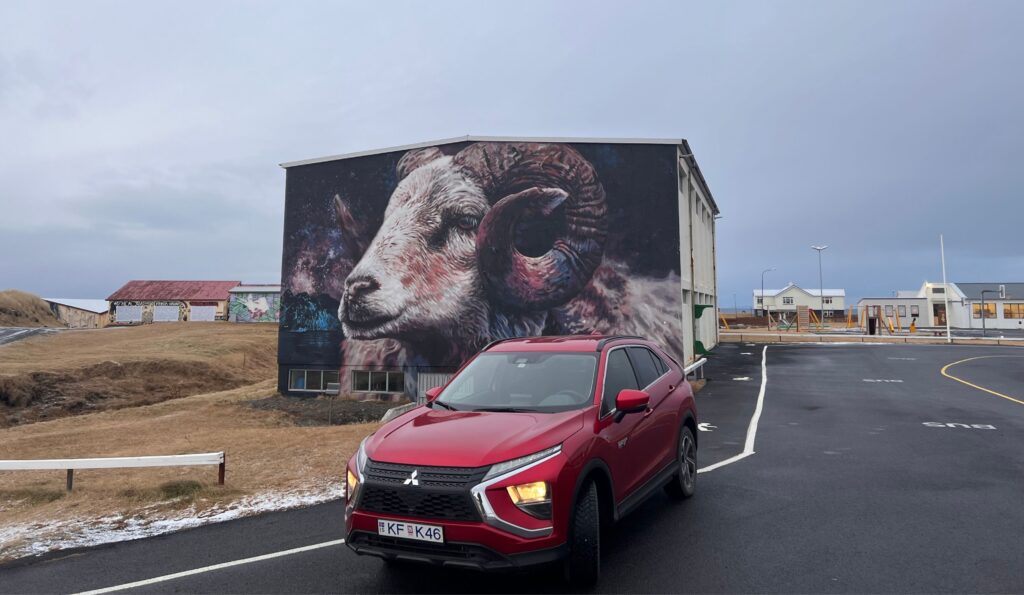
If you’re planning to leave Reykjavík, I strongly recommend considering a rental car because it gives you so much flexibility.
Winter rental prices for a smaller car are often around $120–150 per day, while SUVs are closer to $170–180 per day. In summer, smaller cars can easily be $150–200+, and SUVs can go even higher depending on the size and capability of the vehicle.
For a five-day trip, many travelers spend somewhere between $600–1,200+ once you include gas and insurance.
And there’s another thing travelers now need to budget for.
Starting in 2026, Iceland implemented a kilometer-based road tax system that applies to vehicles, including rental cars. Iceland Kilometer Fee Information
Most travelers won’t calculate this themselves because rental companies typically include it either as a per-kilometer fee or as a flat daily charge.
For example, Go Car Rental Iceland currently charges approximately €10.50 per day as a flat mandatory road tax fee.
Fuel prices in Iceland have lowered somewhat since the road tax was introduced, but global events still impact fuel pricing significantly.
How to Save on Renting a Car & Camper Van in Iceland
Through my discount links with Go Car Rental Iceland and Go Campers, you can save 7% on your rental. Go Car also includes free 4G WiFi, while Go Campers includes a free sleeping bag.
And honestly, the WiFi is incredibly useful because you can check weather, road conditions, maps, email, WhatsApp, and social media while driving around Iceland
You can head to gorentals.is/allthingsiceland
Once you enter your travel dates, the 7% discount is automatically applied.
For Go Car:
When you get to the extras section, select 4G WiFi. You’ll see the price stays the same, even though it has been added.
For Go Campers:
Choose a sleeping bag under the “extras” section, and same thing, the total price won’t increase.
And just so you know, using my link gives me a small commission at no extra cost to you. It’s one of the ways you’re supporting All Things Iceland and the content I create. So thank you for that.
The Hidden Expense in Iceland that Most Travelers Forget: Parking Fees
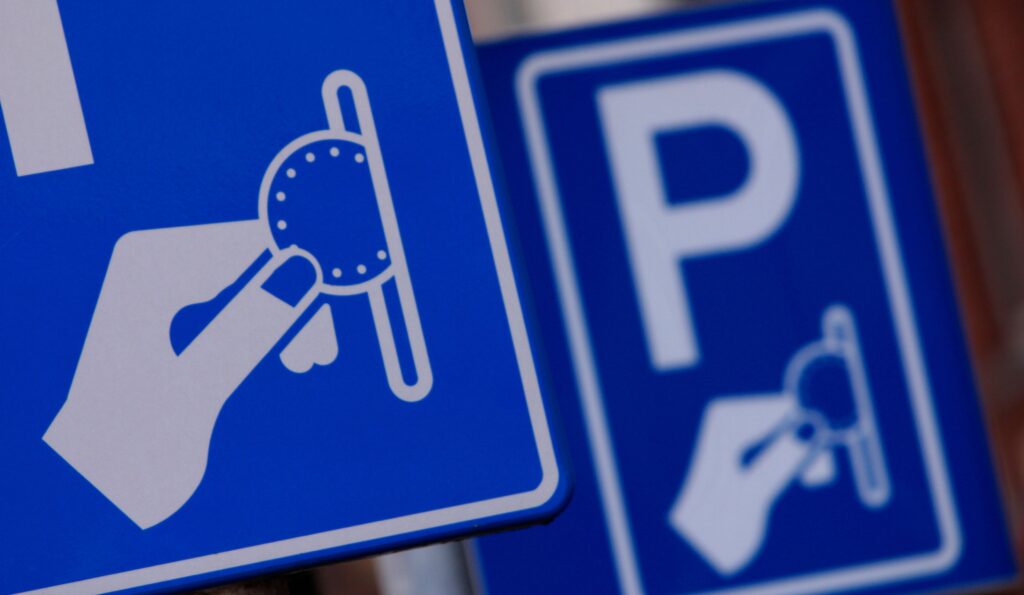
Many waterfalls, black sand beaches, scenic viewpoints, geothermal areas, and hiking spots now charge for parking. This is especially in popular areas like the Golden Circle, South Coast, Snæfellsnes Peninsula, and downtown Reykjavík.
I’ve seen this change a lot over the years since I moved here in 2016. There were many places that used to have completely free parking, but because of the increase in tourism, road maintenance, parking lot maintenance, and of course landowners wanting to make money, parking fees have become much more common.
I usually recommend budgeting around $80 USD total for parking during a 5-day trip depending on how much driving you’re doing.
You can also use the Parka app to look up parking fees in advance, which can help a lot with planning.
If you’re unsure where to go or how to organize your route efficiently, I highly recommend checking out My Iceland Map on Rexby. It includes 350+ personally recommended locations around Iceland that I’ve visited and enjoyed myself.

Food Costs in Iceland
Food absolutely adds up in Iceland if you eat every meal out.
A casual restaurant meal is usually around $20–35 per person, while a nicer dinner can easily be $40–80+. Coffee and a pastry are often around $10–15, and cocktails in Reykjavík can easily cost over $20 each.
For five days, I’d say a budget traveler who cooks some meals or makes sandwiches could probably spend around $150–300, while a mid-range traveler who eats out more regularly could spend around $300–700+.
One of my favorite budget hacks is booking accommodations with breakfast included. Then you can eat a larger breakfast, make sandwiches or grab snacks for later, and only pay for dinner out.
For groceries, Bónus is generally the cheapest option, while Krónan is another great alternative.
And surprisingly, IKEA Iceland is one of the cheapest places to sit down and eat a full meal in Iceland. I’m not suggesting that you eat at IKEA every day but I just think it is fun to share that random information.
What to Budget for Activities & Tours in Iceland
This category really depends on what type of traveler you are.
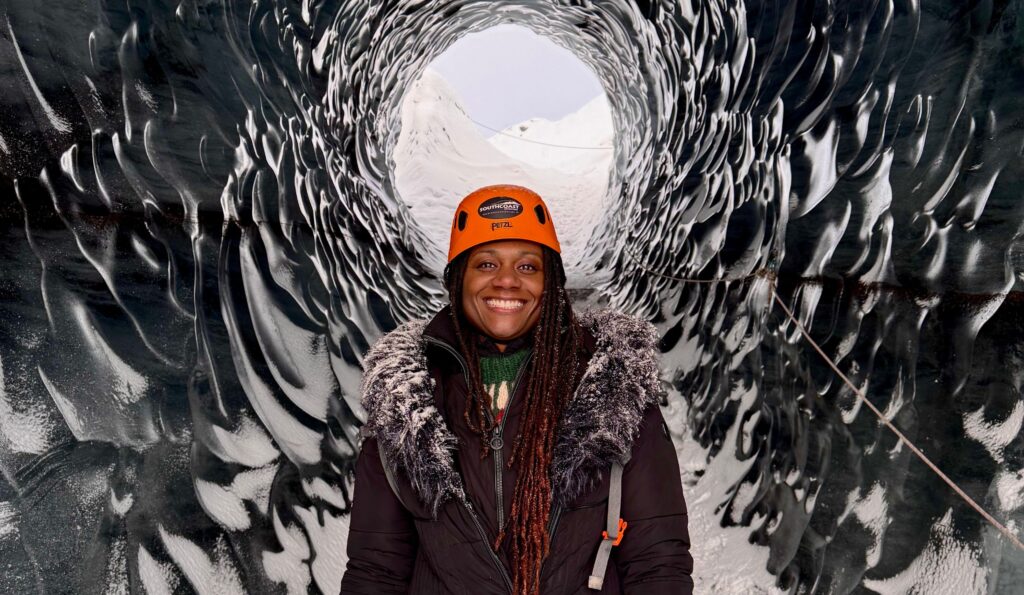
Some people are perfectly happy exploring waterfalls, scenic drives, geothermal areas, and hiking trails, which can keep costs relatively low. Others want glacier hikes, snorkeling, whale watching, ice caves, and snowmobiling. All of these activities can add up quickly.
The Blue Lagoon and Sky Lagoon are generally around $100–150+, glacier hikes are around $100–200+, whale watching tours around $118–150+, and ice cave tours can range from $150–300+ depending on the experience.
One of my favorite lower-cost alternatives to the major lagoons is going to a local swimming pool like Laugardalslaug. It has Olympic-sized pools, hot tubs, a cold plunge, slides, and it gives you a chance to experience Icelandic swimming pool culture alongside locals for a fraction of the cost of the lagoons.
And if you love museums, there are actually certain times of year when you can visit many for free during events like Winter Lights Festival in February and Menningarnótt (Culture Night) in August.

Use Discount Codes & Links to Save Money in Iceland
One of the easiest ways to save money in Iceland is by not paying full price when you don’t have to.
My free Iceland Discount Code Bundle includes discounts for rental cars, camper vans, tours, activities, hotels, outerwear, and more.
Most tour discounts are around 10% off, and when you apply those savings across multiple activities, it really does make a noticeable difference in your final trip budget.

Always Leave Room for Unexpected Costs
This is honestly one of my biggest Iceland budgeting tips overall: always leave room for flexibility.
Weather changes quickly in Iceland, and road conditions can shift plans unexpectedly. That could mean rerouting, staying somewhere an extra night, changing accommodations, or adjusting activities because of storms or warnings.
Whenever possible, I recommend keeping a few hundred dollars of flexibility in your budget if you can. It just makes the trip feel significantly less stressful.

Realistic 5-Day Iceland Budget by Season
For winter travel between November and March (excluding holidays), a budget traveler is usually looking at around $1,300–2,000, while a mid-range traveler is closer to $1,800–2,700.
Winter tends to be cheaper because hotel demand is lower, rental cars are less expensive, and there are fewer crowds. The trade-off, of course, is less daylight and more unpredictable weather.
For summer, budget travelers are usually spending around $1,800–3,000, while mid-range travelers are closer to $2,500–4,000+.
Summer costs rise because of peak tourism demand, midnight sun season, easier travel conditions, Highlands access, and limited accommodations.
The biggest reason I wanted to make this episode was honestly to help people manage expectations.
Iceland can absolutely be expensive. But once you understand how seasonality works, where your biggest expenses are, and how to budget realistically, it becomes much easier to create a trip that works for your finances and travel style.
And honestly, being informed ahead of time makes Iceland feel so much less overwhelming.
The Random Fact of the Episode
Did you know that Iceland has around 41 active volcanic systems — including volcanoes beneath the ocean? According to Náttúra Íslands (Natt.is), a volcano is considered “active” if it has erupted within the last 11,000–12,000 years, which is actually pretty recent in geological terms.
The most active volcanic system in Iceland is called Grímsvötn, located in Southeast Iceland. It has erupted on average about once every decade over the last thousand years.
Meanwhile, Iceland’s largest volcanic system is Bárðarbunga, and many of the country’s enormous lava fields were created from eruptions there.
What’s also fascinating is that volcanic systems in Iceland are often made up of:
- a central volcano,
- plus a fissure swarm,
all connected to a shared underground magma chamber deep within the Earth’s crust.
Which honestly explains why Iceland can sometimes feel like you’re standing on another planet.
Icelandic Word of the Episode
ferðakostnaður — travel expenses or cost of travel
Pronunciation: FEHR-tha-kost-na-thur
This felt like the perfect word for this episode because honestly… that’s exactly what we’ve been talking about the entire time.
In Icelandic:
- ferð = trip/journey
- kostnaður = cost/expense
So together:
ferðakostnaður = the cost of traveling.
Example:
“Ferðakostnaður á Íslandi getur verið hár á sumrin.”
“Travel costs in Iceland can be high during the summer.”
And trust me… Icelanders definitely understand this too, especially when traveling around their own country during peak season.
Share this with a Friend
Facebook
Pinterest
Threads
Email
Let's Be Social
Þakka þér kærlega fyrir að hlusta og sjáumst fljótlega.